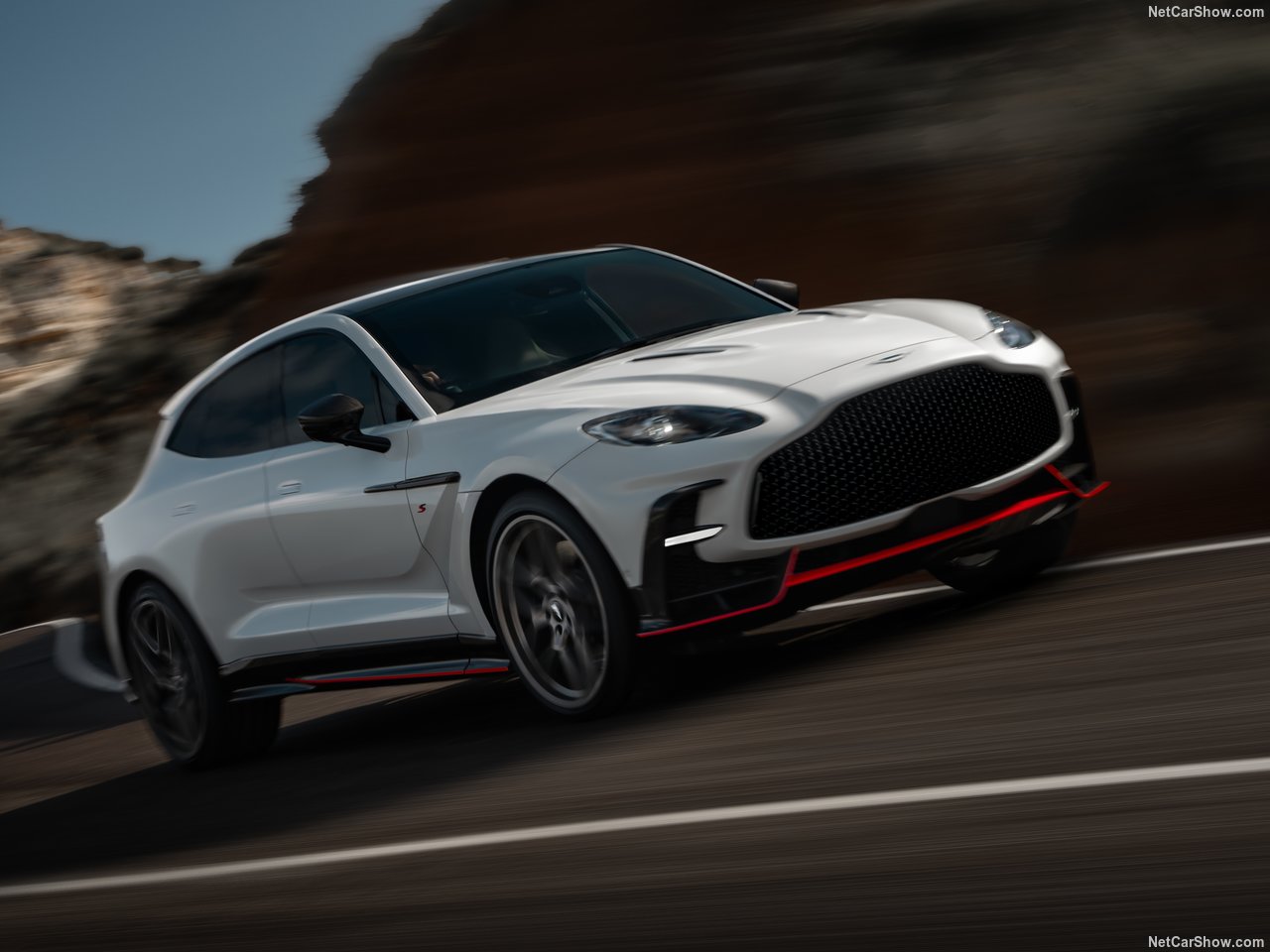
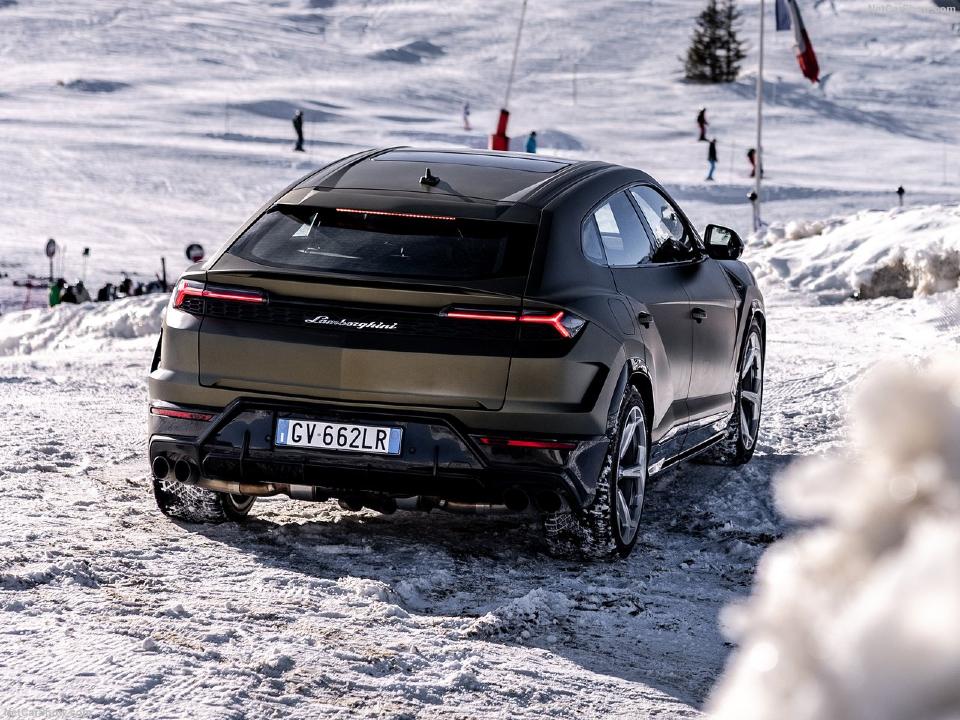
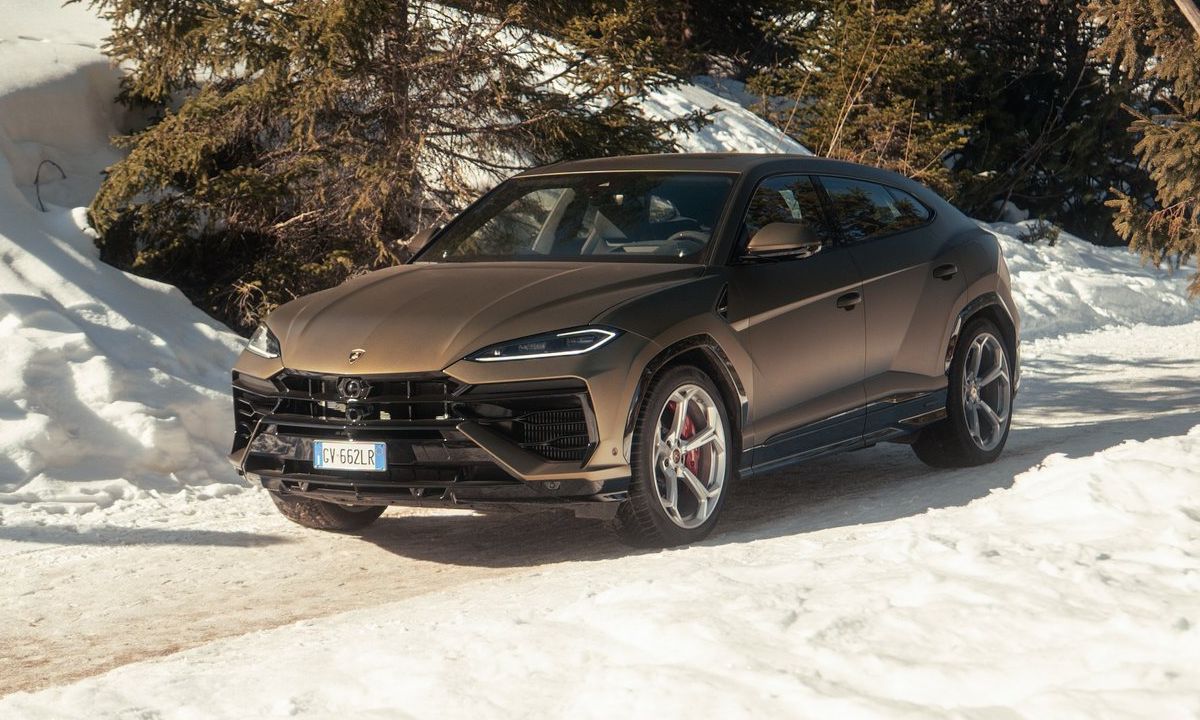
2025 began with mixed emotions in the car market, especially in the performance SUV segment. We witnessed the rising wave of hybrids and full EVs sweep the market, officially carving out their place and reshaping the automotive industry. Leading contenders like Lamborghini Urus are electrifying their platforms, while newcomers like the Aston Martin DBX retain pure internal combustion powertrains. Both models highlight the gradual evolution of performance SUVs and the wider automotive sector.
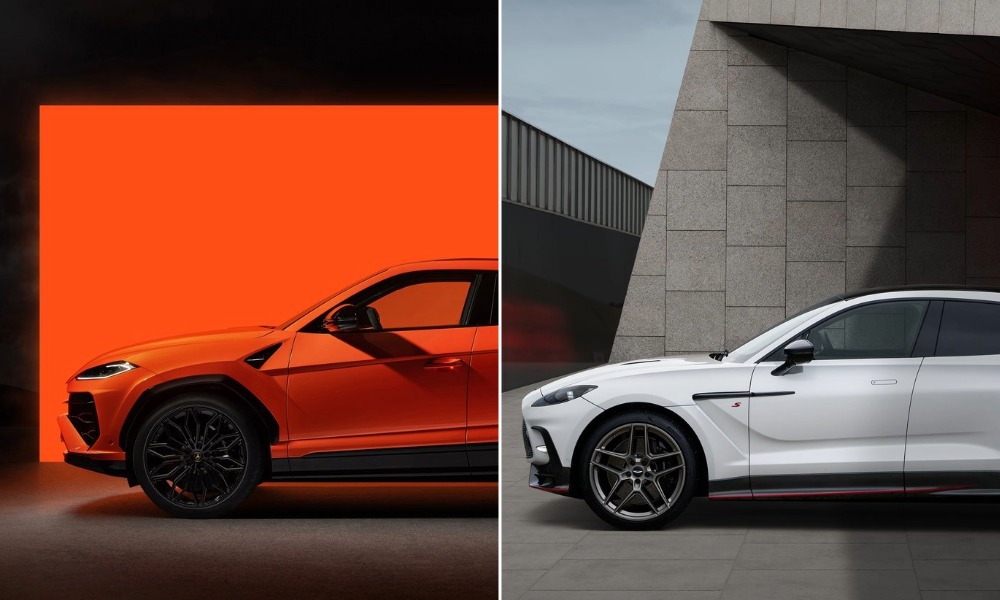
Automakers, unable to escape this industry shift, must cater to a divided consumer base: traditionalists who value the freedom internal combustion engines offer, and progressives who prefer sustainable technology driving change. This split presents a challenge for manufacturers but also offers car enthusiasts a chance to compare these two driving philosophies and their outcomes. The 2026 Aston Martin DBX S and 2025 Lamborghini Urus SE represent the current market landscape. Examining both will provide insight into their similarities, differences, and the growing gap between consumer preferences — perhaps even suggesting the best way forward for manufacturers.
Performance: Speed Meets Power Delivery
Performance is the key element in the performance SUV market arena. To claim the crown, automakers must ensure their heavy hitters deliver power and speed. Aston Martin and Lamborghini know this well: the Urus SE accelerates to 100 km/h in 3.4 seconds, while the DBX S does it in 3.3 seconds. Compared to market giants like the Porsche Cayenne Turbo E-Hybrid S and Audi RSQ8 Performance, these newcomers exceed expectations.
| Feature | 2026 Aston Martin DBX S | 2024 Lamborghini Urus SE |
|---|---|---|
| Top Speed | 310 km/h | 312 km/h |
| 0-62 mph (0-100 km/h) | 3.3 seconds | 3.4 seconds |
| 0-100 mph (0-160 km/h) | 7.2 seconds | 7.1 seconds |
| Drive System | Advanced AWD with torque vectoring | AWD with dynamic torque distribution |
surpass the DBX S in quickness. This raises questions about the necessity of hybrid technology that offers limited performance gains. Both cars are undoubtedly fast, but their minimal differences challenge the presence and practicality of hybrid tech in performance vehicles.
Engine Specs: Pure V8 vs. Plug-in Hybrid
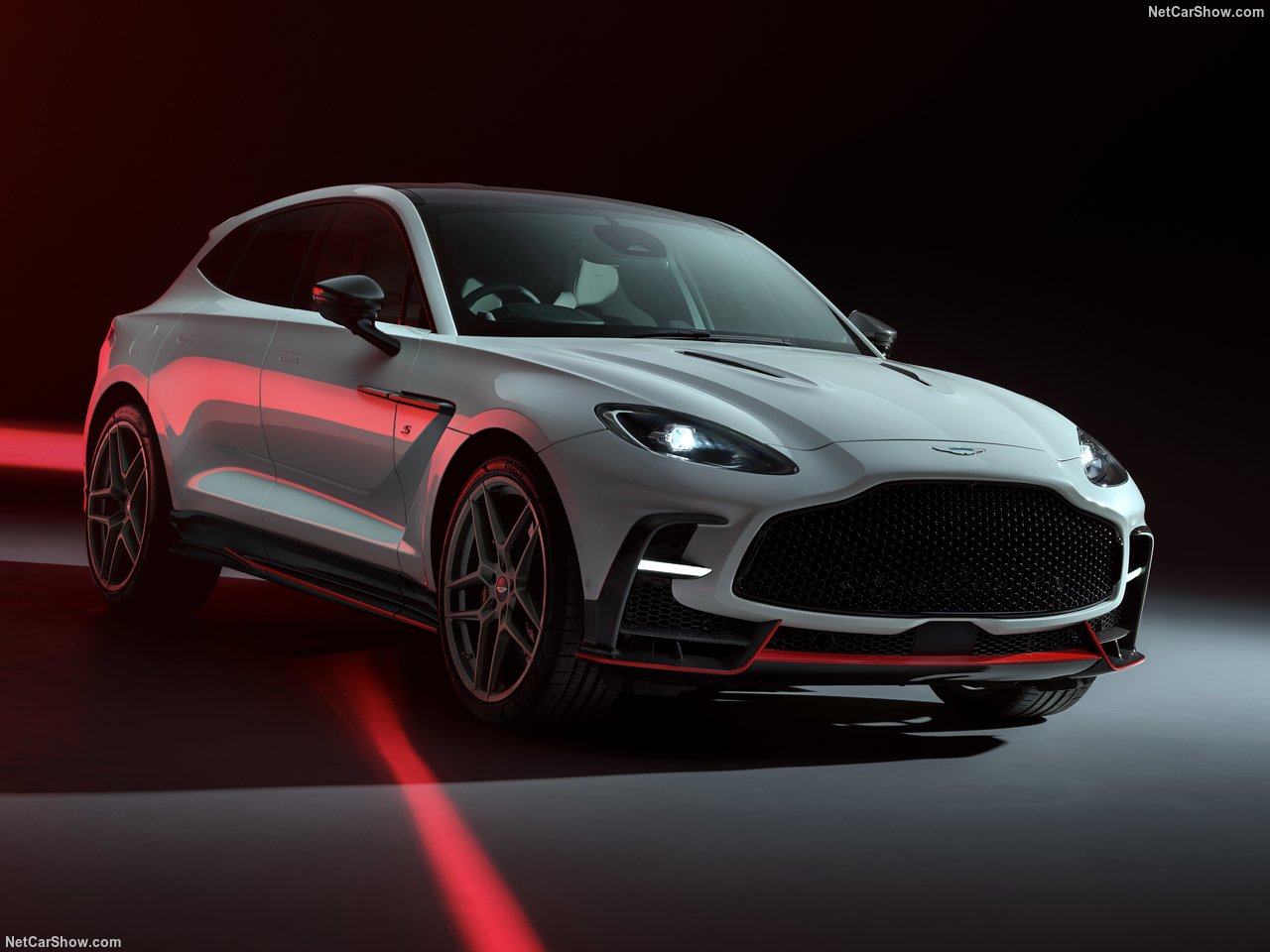
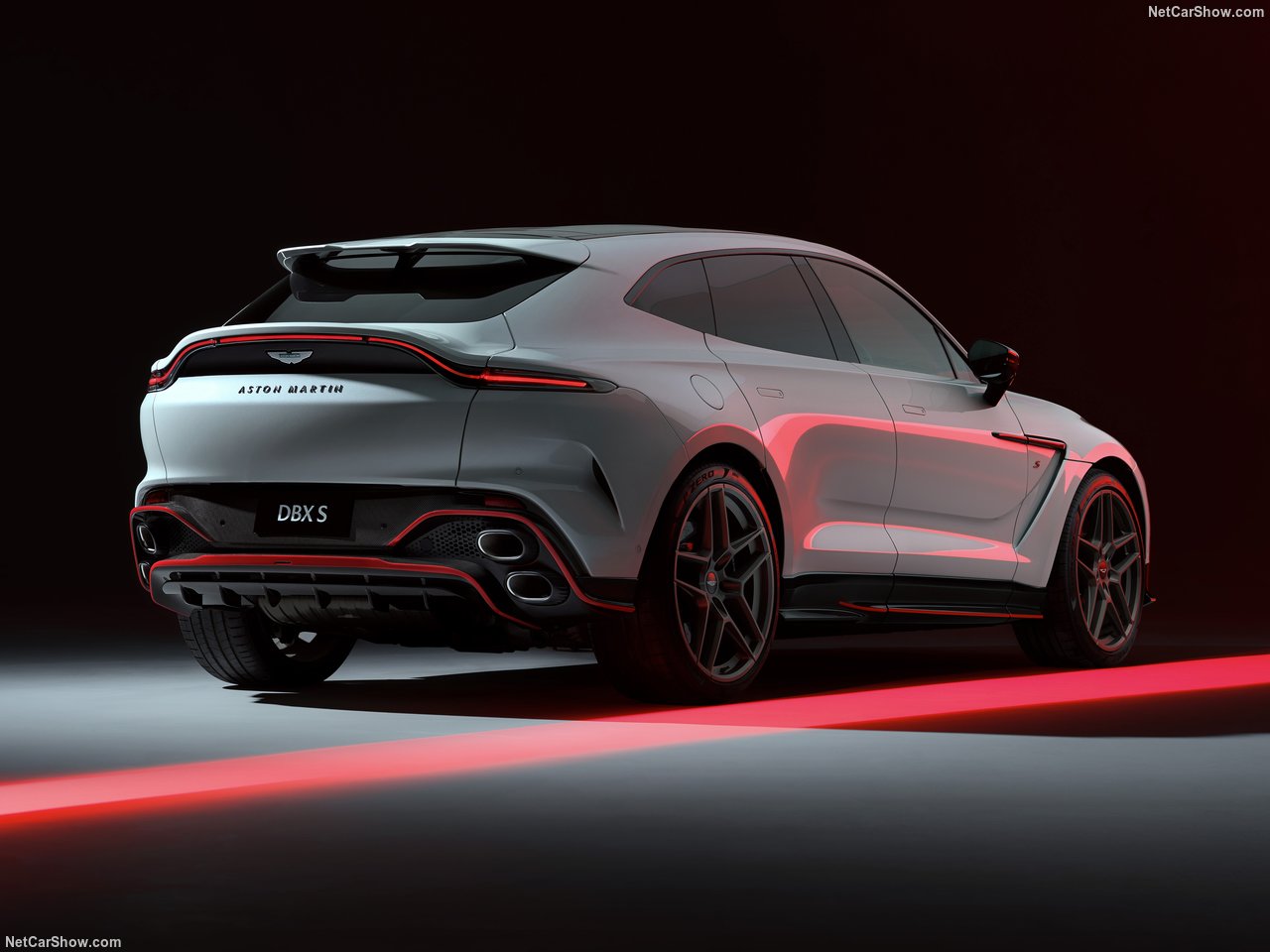
Taking a peek under the skin, we find that both vehicles share a 4.0L twin-turbo V8 engine, a common choice among performance SUVs. The key difference lies in how they use it. The DBX S relies solely on the engine, producing an impressive 717 hp. The Urus SE pairs the same engine with a hybrid system, delivering a combined 800 hp. More power, but assisted.
| Specification | 2026 Aston Martin DBX S | 2024 Lamborghini Urus SE |
|---|---|---|
| Engine Type | 4.0 L twin-turbo V8 | 4.0 L twin-turbo V8 + hybrid |
| Horsepower | 717 hp (727 PS) | 800 hp (650 PS) |
| Torque | 664 lb-ft (900 Nm) | 627 lb-ft (850 Nm) |
| Transmission | 9-speed wet-clutch automatic | 8-speed automatic |
| Fuel Delivery | Direct injection | Direct injection |

Economy: Fuel Consumption and Range
Adjusting the lens of honesty a bit, let’s admit that performance SUVs aren’t built for efficient fuel consumption. Similar to athletes in their prime, performance SUVs sacrifice fuel efficiency for power, burning through gallons of fuel to perform at their optimal best. Large 4.0L engines and the drive to outperform competitors push automakers to sink all ambitions of fuel efficiency to the bottom of their priority list. But hybrid technology now offers an alternative.


| Specification | Aston Martin DBX S | Lamborghini Urus SE |
|---|---|---|
| Fuel Consumption | 14.3L / 100km | 5.7L/100km and 12.9 l/100 km (discharged battery) |
| Fuel Tank Size | 85 litres | 75 litres |
| Driving Range | Approx. 600 km | Approx. 650 km |
|
Electric Range
|
N/A
|
66 km
|
The Urus SE offers an impressive, calculated driving range estimated to be about 700 km. This is made possible by a 75-litre fuel tank and an electric range of roughly 66 km, enabling longer journeys on a full tank and charge. The Aston Martin DBX S, fitted with a 85-litre tank, provides a 595 km range, less than the Urus SE despite the larger tank. This favours progressive drivers who want extended range without sacrificing excitement.
Conclusion
Though small, the differences between these SUVs illuminate a rapidly changing car market. Automakers once built their entire fleet on internal combustion engines, forcing consumers to drive what was given. Now buyers are free to choose based on their personal principles and sensitivity to environmental impact. Manufacturers navigate competing demands from traditional consumers, sustainability regulations, and evolving technology.
The 2026 Aston Martin DBX S and 2025 Lamborghini Urus SE reflect this transitional moment. The DBX S is faster and lighter, championing raw V8 power for petrol purists. Meanwhile, the Urus SE embraces hybridisation, offering more power, higher top speed, and greater fuel efficiency. Progressives prefer this innovative approach to achieve performance while meeting environmental standards.